


Blog list
Silver Lake Eye Care Center Blog
Learn more about optometrist care in our blog!
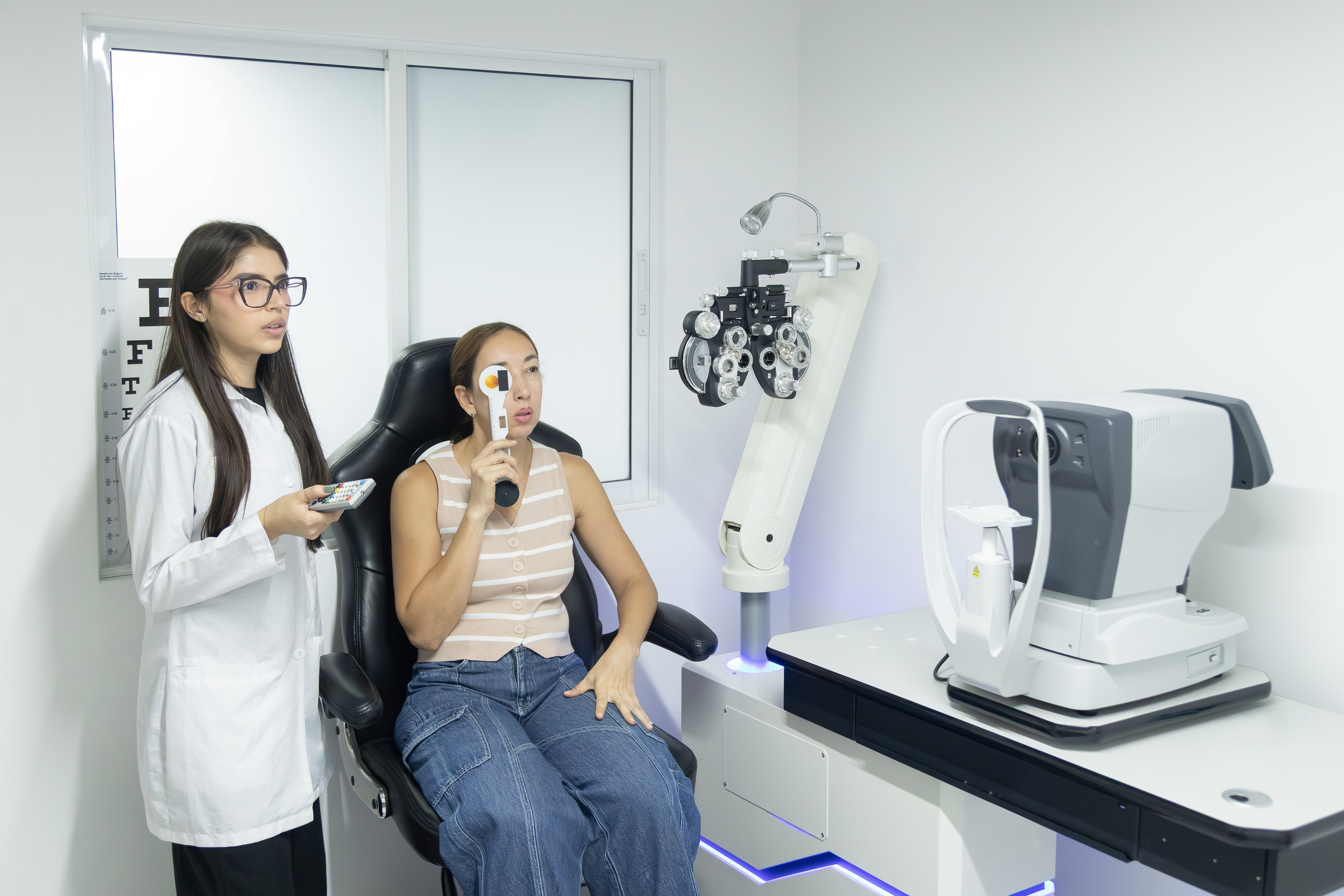
Managing dry eye disease involves more than starting treatment. Regular follow-up appointments help us evaluate how your eyes are responding and whether adjustments may be needed. At Silver Lake Eye Care Center in Everett, WA, we encourage patients to monitor their symptoms between visits. Keeping track of changes in comfort, vision, and daily activities provides valuable information that helps us personalize your ongoing dry eye care.

Spending hours on computers, smartphones, and tablets can leave your eyes feeling tired, irritated, and dry. As Everett transitions into cooler months, indoor heating and changing environmental conditions can make these symptoms more noticeable. When digital eye strain combines with seasonal dry eye, everyday activities like working, reading, and watching television may become uncomfortable.

Artificial tears can provide temporary comfort when your eyes feel dry, gritty, or irritated. But if you find yourself reaching for drops throughout the day without lasting relief, the problem may go deeper than a lack of moisture. At Silver Lake Eye Care Center, we offer advanced dry eye treatment in Everett, WA, including radiofrequency and intense pulsed light therapy designed to address common underlying causes of chronic dry eye.

As students return to school and Everett professionals settle back into busy fall routines, screen time can quickly add up. Hours spent on laptops, tablets, phones, and multiple monitors can leave your eyes feeling dry, tired, blurry, or irritated. These symptoms are often associated with digital eye strain and dry eye, two problems that can make work and studying much less comfortable.

Dry eye can become more than an occasional irritation. For some patients, severe dry eye causes burning, redness, light sensitivity, blurry vision, and the constant feeling that something is stuck in the eye. When the surface of the eye becomes inflamed or damaged, standard lubricating drops may not be enough to restore comfort.
Dry eye can become more than an occasional irritation. For some patients, severe dry eye causes burning, redness, light sensitivity, blurry vision, and the constant feeling that something is stuck in the eye. When the surface of the eye becomes inflamed or damaged, standard lubricating drops may not be enough to restore comfort.

Summer should feel bright and refreshing, but for many people, it can make dry eye symptoms more noticeable. Heat, wind, air conditioning, pollen, and longer hours outdoors can all affect the tear film. When your tears evaporate too quickly or your oil glands are not working well, your eyes may feel gritty, irritated, watery, red, or tired.

Dry eye becomes more common with age, and many people are surprised by how much it can affect daily comfort. If your eyes burn, water, feel gritty, or seem tired more often than they used to, aging may be part of the reason. At Silver Lake Eye Care Center, we help patients understand why dry eye develops and how to treat it based on the root cause.

Myopia is a common vision condition in children, but it is not something to simply watch and wait on. As myopia progresses, the eye can grow longer over time, which may raise the risk of more serious vision and eye health concerns later in life. Early myopia management focuses on more than helping a child see clearly now - it can also play an important role in protecting long-term eye health.

Headaches that occur regularly can feel like a mystery, especially when common solutions don’t provide relief. In many cases, the underlying cause isn’t stress or tension - it’s eye strain. When the eyes struggle to work together efficiently, the extra effort required to maintain clear vision can trigger headaches, fatigue, and discomfort that often go unrecognized.


Contact Us
Let’s keep in touch!

Office Hours
- Monday 8:00am - 5:00pm
- Tuesday 8:00am - 5:00pm
- Wednesday 8:00am - 5:00pm
- Thursday 9:00am - 5:00pm
- Friday 8:00am - 1:00pm
- Saturday Closed
- Sunday Closed
CLOSED for Lunch or Team Training & Education
12:00pm - 1:00pm M - W, and 1:00pm - 2:00pm Thurs
© 2026 Silver Lake Eye Care Center | All rights Reserved | Accessibility Statement | Privacy Policy | Sitemap
Powered by:
